
"to be in the country"
40000 article(s) found

Introduction to the flavor description and taste of El Salvador Himalayan coffee varieties
El Salvador's coffee accounts for 40% of the country's exports, and it is usually picked in November, December and January-March of the following year. The export of raw beans lasts almost all year round. Coffee is produced in seven of the country's 14 provinces, with the largest number in the northwestern provinces of chalatenango and santa ana. The coffee produced in El Salvador is 100% Arabica, of which 68% is

Introduction to the flavor of Salvadoran coffee the characteristics of Salvadoran coffee in Salvadoran coffee producing area
El Salvador's coffee accounts for 40% of the country's exports, and it is usually picked in November, December and January-March of the following year. The export of raw beans lasts almost all year round. Coffee is produced in seven of the country's 14 provinces, with the largest number in the northwestern provinces of chalatenango and santa ana. The coffee produced in El Salvador is 100% Arabica, of which 68% is

A brief introduction to the unique and strong coffee bean flavor and flavor characteristics of Fenghuang Manor Coffee
Costa Rica's volcanic soil is very fertile and well drained, especially in the central plateau CentralPlateau, where the soil consists of successive layers of ash and dust. Costa Rica was therefore the first country in Central America to grow coffee and bananas for commercial value. Coffee and bananas are the country's main exports. Costa Rican coffee is full and sour.

El Salvador Coffee Flavor Taste Manor Manor production area introduces Renas Manor
El Salvador's coffee accounts for 40% of the country's exports, and it is usually picked in November, December and January-March of the following year. The export of raw beans lasts almost all year round. Coffee is produced in seven of the country's 14 provinces, with the largest number in the northwestern provinces of chalatenango and santa ana. The coffee produced in El Salvador is 100% Arabica, of which 68% is

Balanced and soft El Mercedes Manor Coffee Grinding characteristics taste variety introduction
El Salvador's coffee accounts for 40% of the country's exports, and it is usually picked in November, December and January-March of the following year. The export of raw beans lasts almost all year round. Coffee is produced in seven of the country's 14 provinces, with the largest number in the northwestern provinces of chalatenango and santa ana. The coffee produced in El Salvador is 100% Arabica, of which 68% is

A brief introduction to the cultivation of Fine Coffee beans in Huofenghuang Manor, Geographic location, Climate and altitude
Costa Rica's volcanic soil is very fertile and well drained, especially in the central plateau CentralPlateau, where the soil consists of successive layers of ash and dust. Costa Rica was therefore the first country in Central America to grow coffee and bananas for commercial value. Coffee and bananas are the country's main exports. Costa Rican coffee is full and sour.
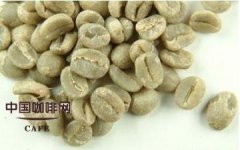
Coffee beans introduce "grass aroma" flavor of Rwandan coffee
Rwandan coffee is absolutely high quality in the form of washed Arabica beans. As far as Africa is concerned, its coffee industry stands out because the country rises and falls by producing the best possible beans. The taste of Rwandan coffee is described as a grassy aroma with tropical climate characteristics. The country's fertile soil and climate help plants grow, and coffee trees seem to be driven

General knowledge of boutique coffee the way people drink coffee in various countries
People all over the world drink coffee in different ways, but if you ask how many ways to drink coffee, I'm afraid no one can tell. It can be said that there are many ways to drink coffee in as many countries as there are in the world. 1/3 people in the world drink coffee, but it seems that no two countries drink coffee in the same way. People in Arab countries

The taste of tanned El Salvador introduces the IzaIco region of Sonsonate province.
El Salvador's coffee accounts for 40% of the country's exports, and it is usually picked in November, December and January-March of the following year. The export of raw beans lasts almost all year round. Coffee is produced in seven of the country's 14 provinces, with the largest number in the northwestern provinces of chalatenango and santa ana. The coffee produced in El Salvador is 100% Arabica, of which 68% is

Introduction to the characteristics of high-quality coffee beans in the producing area of balanced and soft Salvadoran coffee
El Salvador's coffee accounts for 40% of the country's exports, and it is usually picked in November, December and January-March of the following year. The export of raw beans lasts almost all year round. Coffee is produced in seven of the country's 14 provinces, with the largest number in the northwestern provinces of chalatenango and santa ana. The coffee produced in El Salvador is 100% Arabica, of which 68% is
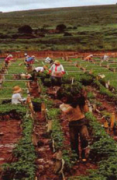
Have a comprehensive understanding of coffee
Legend of Coffee the person who first discovered coffee: a shepherd in Ethiopia, in the fifth and sixth centuries AD. It is said that Niankadi, a shepherd with talent as a poet, herded sheep on the mountain paths of the Ethiopian plateau every day. He liked to drive the sheep home with a shrill flute, but one day the flute sounded again and there was no sign of the sheep. He looked everywhere. Find sheep

Boutique Coffee introduction to 53 Coffee producing areas in the World 3
thirteen. The coffee grown in the highlands of Panama is absolutely high quality, but the plantation coffee is not yet on the market. Panama coffee is smooth, light and sour, and its high-quality coffee beans are pure and distinctive. The first batch of coffee exported each year is shipped in November, and almost all high-quality coffee beans are shipped to France and Finland. The best coffee is grown in the north of the country, that is,

El Salvador Himalayan Coffee Flavor description Taste characteristics introduction of boutique coffee beans
El Salvador's coffee accounts for 40% of the country's exports, and it is usually picked in November, December and January-March of the following year. The export of raw beans lasts almost all year round. Coffee is produced in seven of the country's 14 provinces, with the largest number in the northwestern provinces of chalatenango and santa ana. The coffee produced in El Salvador is 100% Arabica, of which 68% is

Coffee bean common sense "grass aroma" flavor of Rwandan coffee
Rwandan coffee is absolutely high quality in the form of washed Arabica beans. As far as Africa is concerned, its coffee industry stands out because the country rises and falls by producing the best possible beans. The taste of Rwandan coffee is described as a grassy aroma with tropical climate characteristics. The country's fertile soil and climate help plants grow, and coffee trees seem to be driven

Fine coffee learns from the ways and forms of drinking coffee in various countries.
There are different ways of drinking coffee in various countries, but if you ask how many ways to drink coffee, I'm afraid no one can tell. It can be said that there are many ways to drink coffee in as many countries as there are in the world. 1/3 people in the world drink coffee, but it seems that no two countries drink coffee in the same way. People in Arab countries like

Boutique Rwandan coffee
Rwandan coffee is absolutely high quality in the form of washed Arabica beans. As far as Africa is concerned, its coffee industry stands out because the country rises and falls by producing the best possible beans. The taste of Rwandan coffee is described as a grassy aroma with tropical climate characteristics. The country's fertile soil and climate help plants grow, and coffee trees seem to be driven

Grinding scale treatment method for producing area of flavor and taste varieties of Rwandan coffee beans
Rwanda coffee bean flavor variety production area grinding scale treatment Rwanda has about 33000 hectares of coffee plantations and 500000 people are engaged in the coffee industry. With the good natural conditions of high altitude and fertile volcanic soil, the country's fertile soil and suitable climate contribute to plant growth, and coffee trees seem to be driven or forced to grow upward, or because they grow too much.

Introduction to El Salvador Coffee Flavor and Taste
El Salvador's coffee accounts for 40% of the country's exports, and it is usually picked in November, December and January-March of the following year. The export of raw beans lasts almost all year round. Coffee is produced in seven of the country's 14 provinces, with the largest number in the northwestern provinces of chalatenango and santa ana. The coffee produced in El Salvador is 100% Arabica, of which 68% is

Introduction to the flavor and taste of the balanced and soft El Salvador Himalayan Coffee Manor
El Salvador's coffee accounts for 40% of the country's exports, and it is usually picked in November, December and January-March of the following year. The export of raw beans lasts almost all year round. Coffee is produced in seven of the country's 14 provinces, with the largest number in the northwestern provinces of chalatenango and santa ana. The coffee produced in El Salvador is 100% Arabica, of which 68% is

History of International Coffee Organization
In the 19th century, coffee became an important commodity in the international trade market. For a long time after that, the coffee market was often in a state of oversupply, low prices, and occasional price increases in short supply, but for a short period of time. During the economic crisis of the 1930s and during World War II (1939-1945), the coffee market supply